


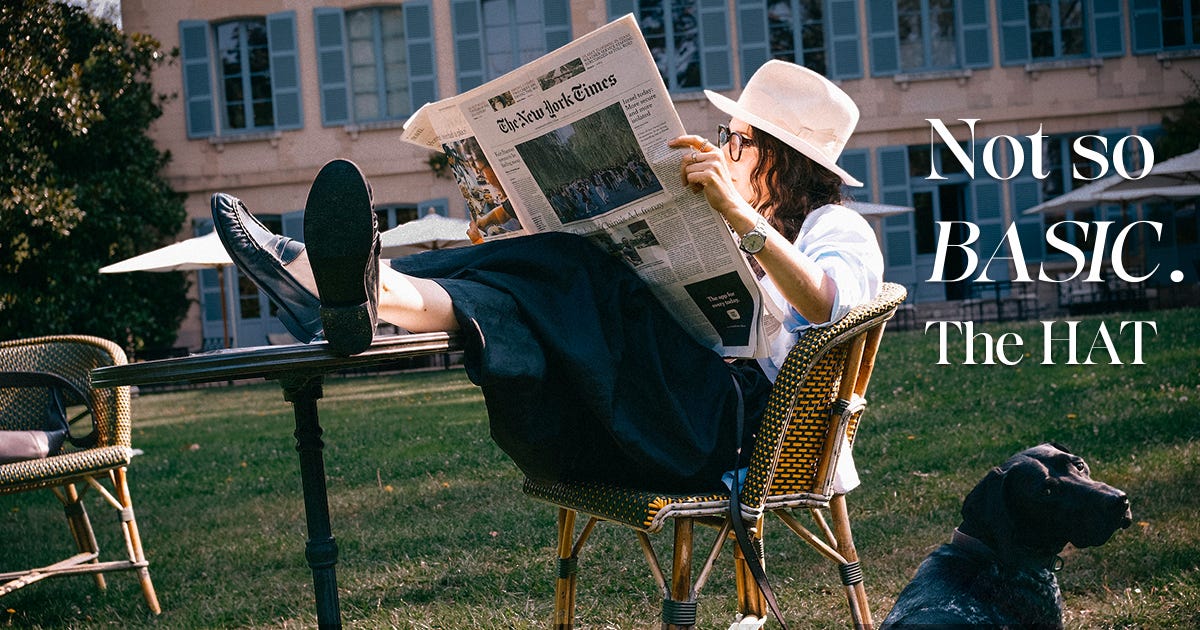
Some garments disappear once you put them on. Others never quite let you forget they are there.
The hat belongs to the second category. It sits higher than everything else, frames the face, alters posture almost imperceptibly. It is impossible to wear without consequence. Perhaps that is why it fascinates as much as it intimidates. Unlike a white shirt or a leather jacket, a hat rarely slips quietly into an outfit. It changes the whole equation.
When Style Is Immediate
What has always drawn me to hats is not nostalgia or drama, but their immediacy. A hat does something instantly. It doesn’t wait to be understood. It doesn’t rely on layering or styling tricks. The moment it’s on, something shifts.
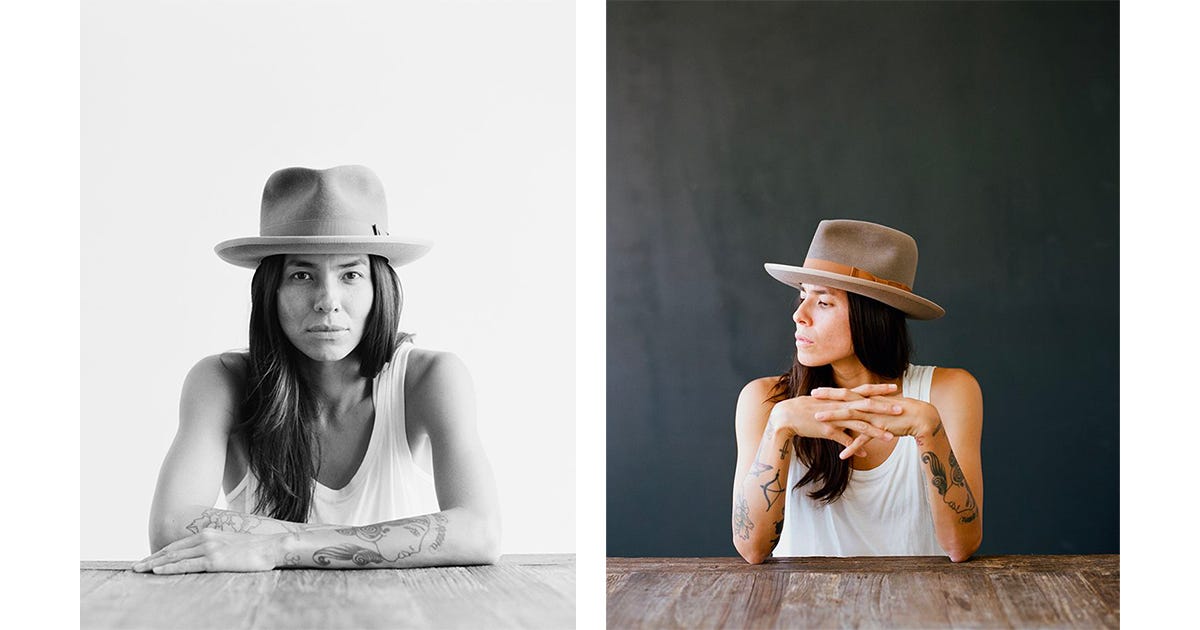
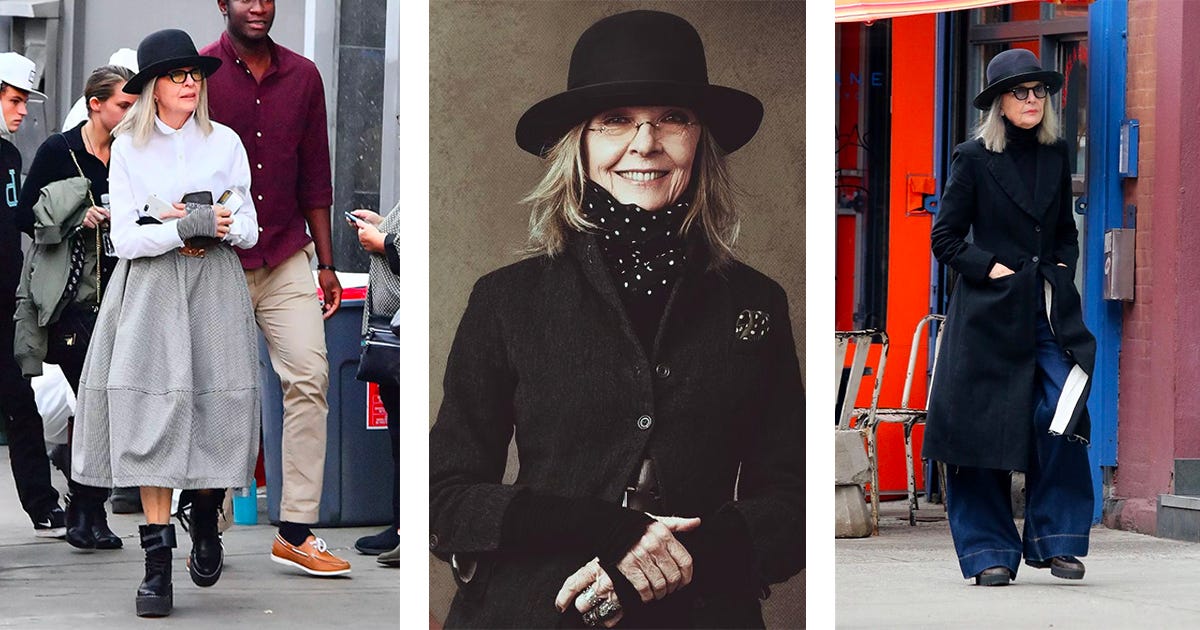
You see it with people who have fully integrated it into their way of being: Johnny Depp, Tasya van Ree and the late Diane Keaton. In their case, the hat isn’t a statement or a finishing touch. It’s simply there, like a natural extension of their silhouette. It doesn’t explain itself. It doesn’t ask for permission.
That’s where the difference lies.
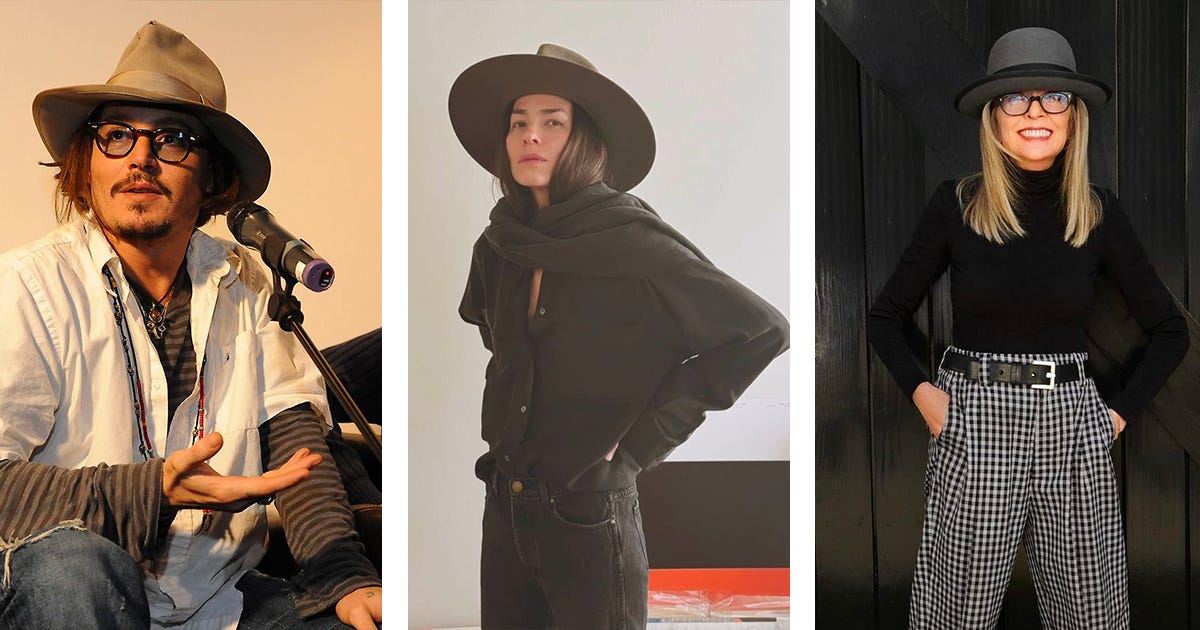
Accessory or Disguise
A hat reveals very quickly whether it is assumed or not.
When it’s added at the last minute, used to complete an outfit, or worn with a trace of self-consciousness, it can slip dangerously close to costume. The hat starts to feel separate from the body, like a prop rather than a choice. Instead of adding character, it distracts from it.
You can usually sense it immediately: the constant adjustment, the repeated touch, the awareness of wearing a hat. That awareness is the giveaway. Because when something is truly right, you forget it.
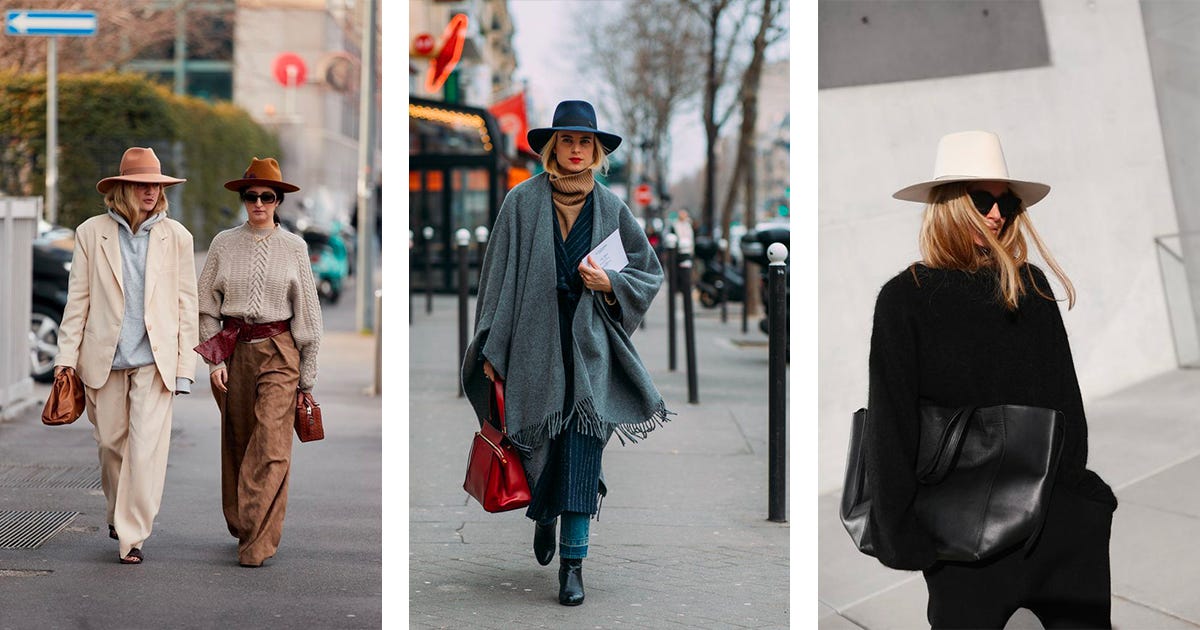

Forgetting the Hat
For me, the most honest relationship with a hat begins with function. Sun, heat, light. Protection.
When a hat has a clear purpose, it settles in naturally. You stop thinking about it. It becomes part of the body’s logic rather than a stylistic decision. And it’s precisely in that moment—when the hat disappears from your consciousness—that style emerges.
Perhaps that’s the real key: to wear a hat, you have to forget it. The moment you remain aware of it sitting on your head, something is off. The hat hasn’t been absorbed yet.
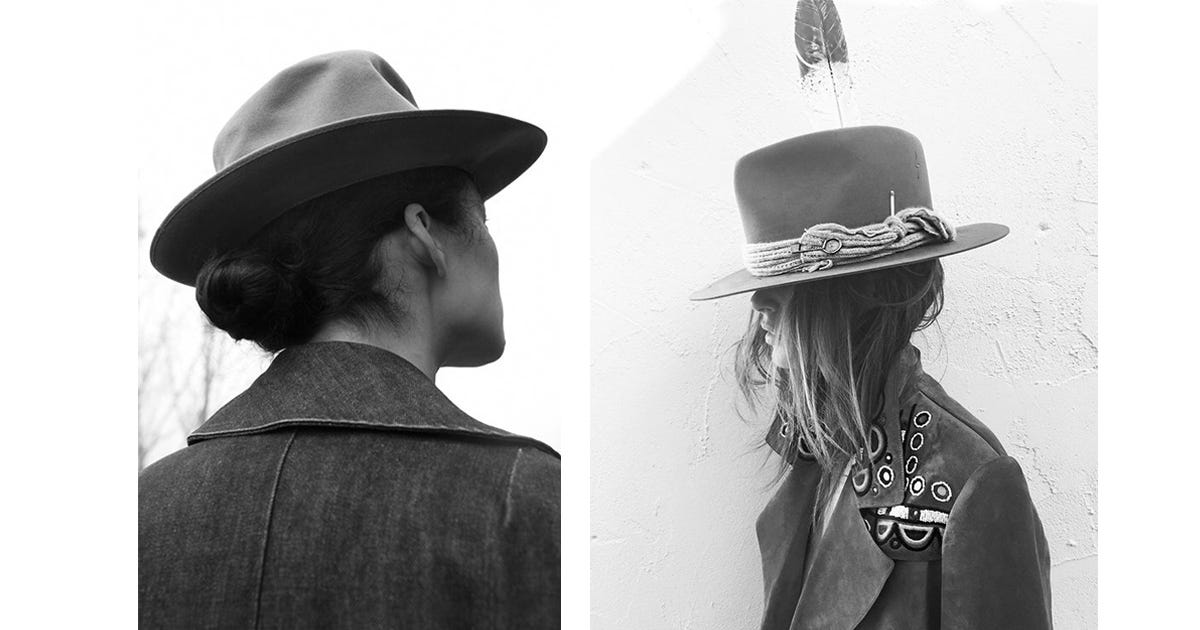
A Shape Loaded with History
Of course, hats carry history. Shapes, codes, references that can’t be erased. The fedora, in particular, comes with a dense visual memory.
My own entry point was Borsalino. Founded in 1857 in Alessandria, the Italian house shaped the modern fedora so decisively that its name became the object itself in parts of the world. Their Bogart model remains a lesson in balance: clean lines, a precise pinch at the crown, elegance without stiffness.
Seeing a Borsalino being made (felt shaped by steam, hands repeating gestures refined over decades) makes one thing clear: this is not an accessory designed to follow trends. It’s an object built to last, to age, to absorb life. No wonder it feels different once it’s on your head.
Those Who Made It Normal
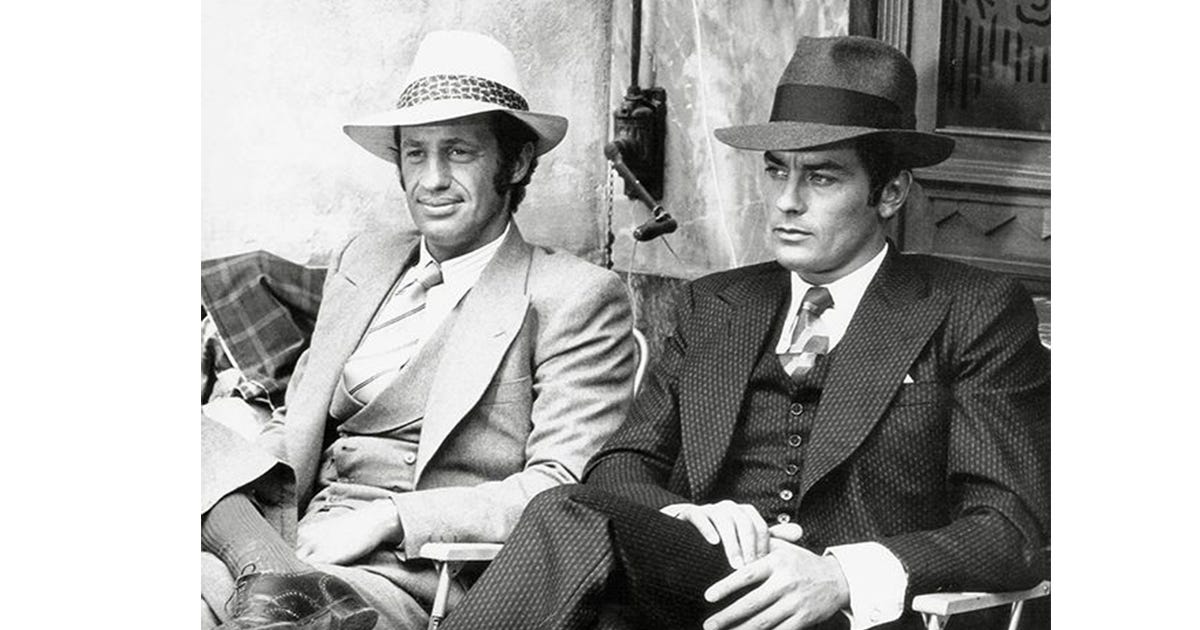
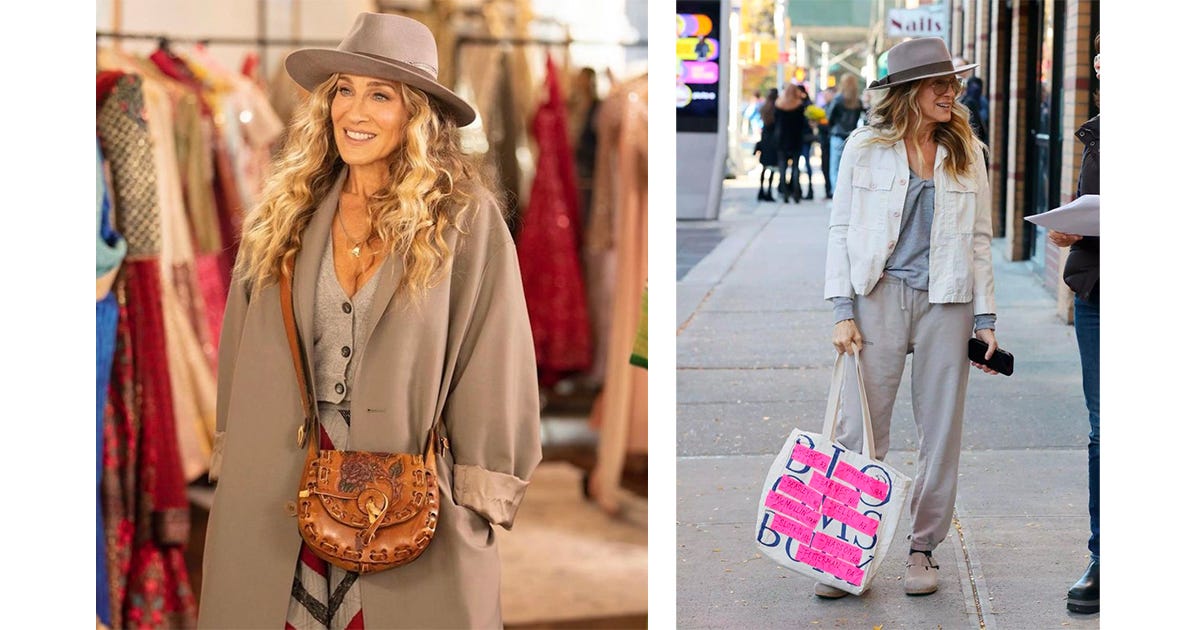
What the images in this series show, whether film stills, portraits or street scenes, is not flamboyance, but normalisation.
Alain Delon and Jean-Paul Belmondo walking through Marseille. Diane Keaton in a tailored suit. Tasya van Ree moving through the city. None of them are “wearing a hat” in the theatrical sense. They are simply wearing their hat.
That’s what makes them distinctive. Uniqueness doesn’t come from the object itself, but from the absence of tension around it. The hat doesn’t add personality; it reveals it.
Those Who Rethink the Form
Beyond the classics, a new generation of hat makers is quietly expanding what a hat can be—without breaking its grammar.
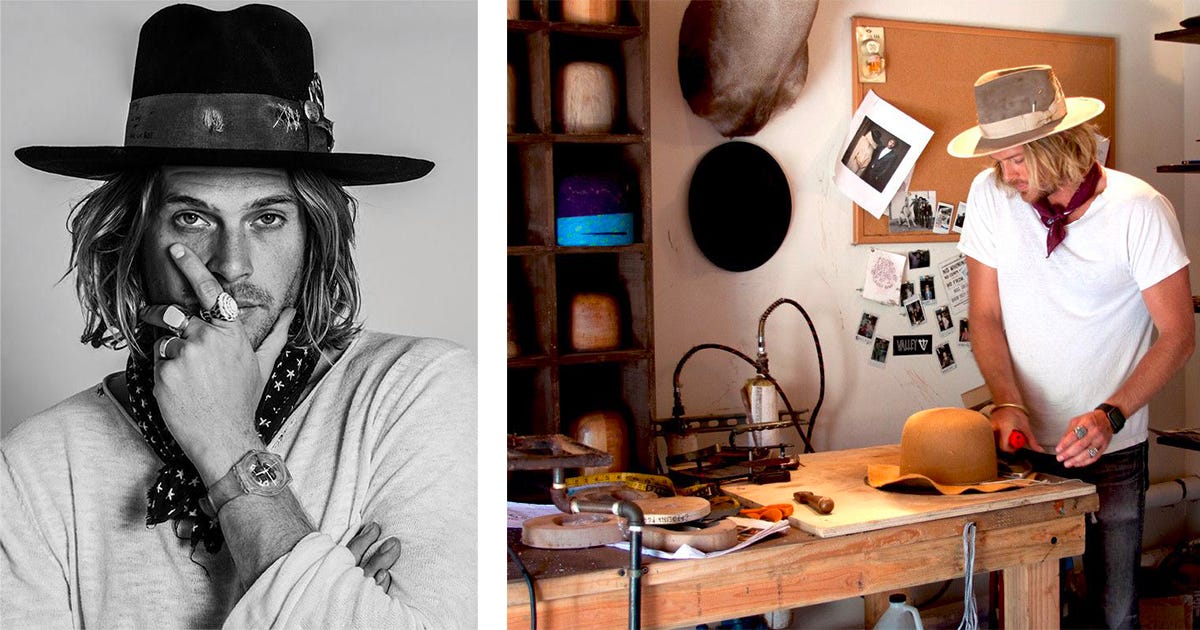
One of the labels I return to most often is Nick Fouquet. Born in New York and raised between France and Florida, Fouquet started his brand in a Venice Beach garage in 2013. He didn’t come from traditional millinery, but from patternmaking and design, which perhaps explains the instinctive quality of his work. His hats blend the rebellious spirit of the American West with a certain Parisian restraint. Made by hand from beaver felt, straw or vintage textiles, they are finished with small, almost secret details: a match slipped into the band, a slightly burned brim, edges left imperfect. They feel worn-in from the start—rooted in tradition, yet unmistakably contemporary.
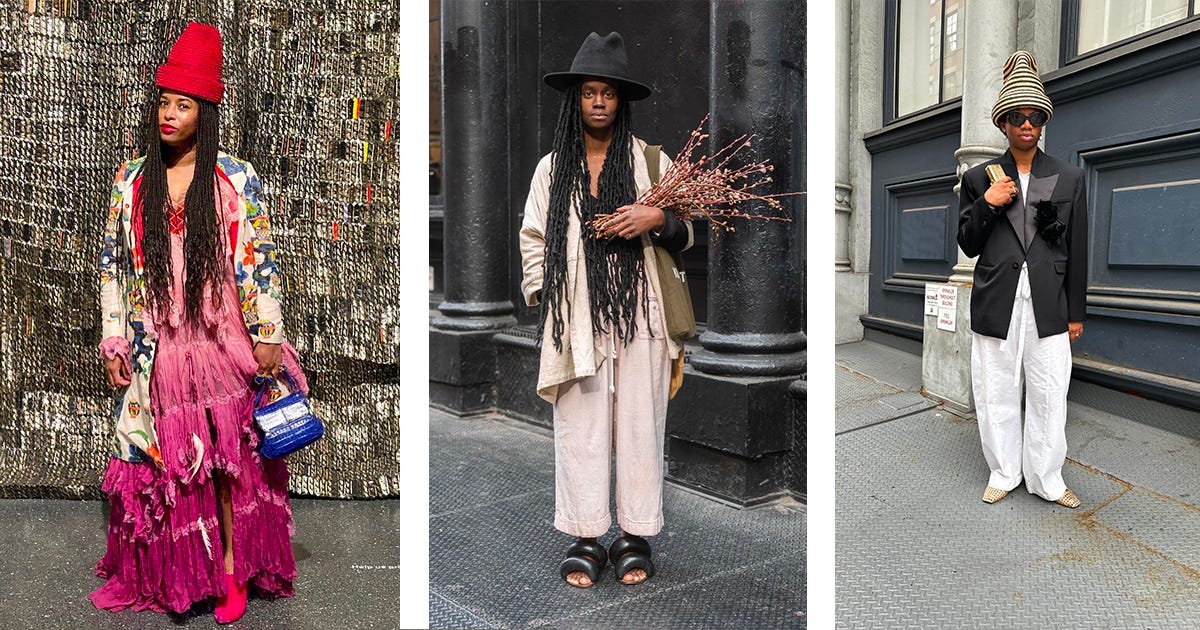
In New York, Rodney Patterson’s Esenshel approaches hats from a more sculptural angle. Founded in 2017, the label plays with height, volume and colour: high crowns, truncated cones, saturated tones like terracotta, cobalt or mustard. These are hats that don’t try to disappear. They change the wearer’s silhouette entirely, turning the head into a focal point. I remember seeing one of his pieces on a stylist at a gallery opening and being unable to look away—not because it was loud, but because it was perfectly resolved. It made her look anchored, almost architectural.
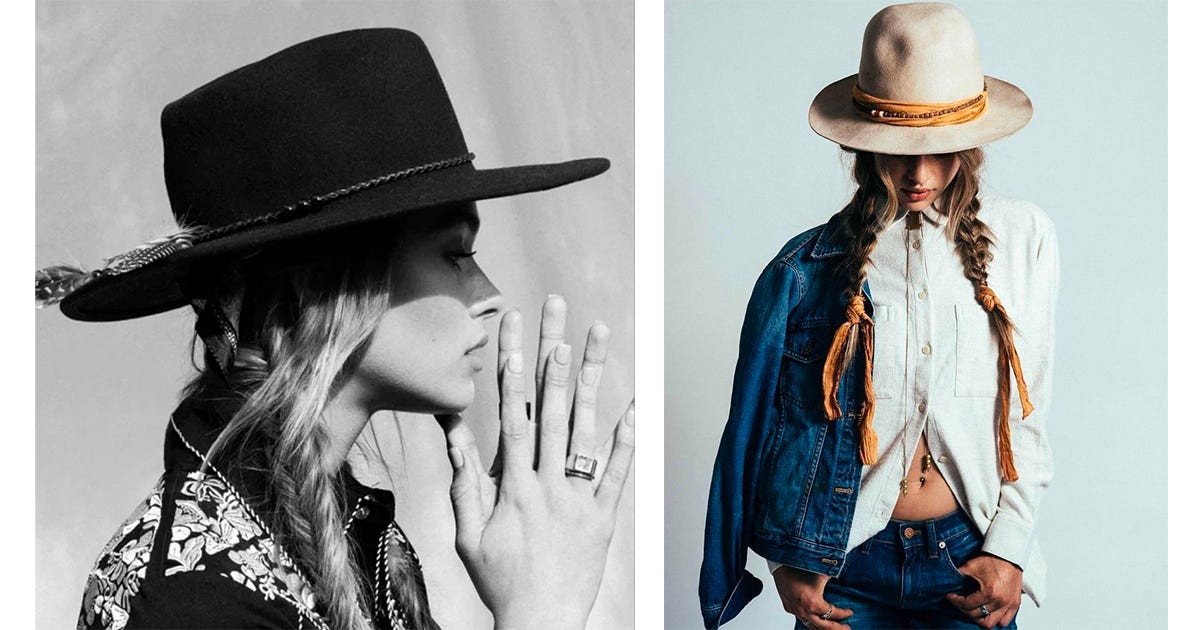
There are, of course, other houses I admire deeply like Maison Michel in Paris, Gigi Burris in New York, Janessa Leone in Los Angeles. What connects them all is a shared respect for craft and time. They understand that a hat isn’t something you replace every season. It’s something that absorbs life: the crease from being packed too tightly in a suitcase, the faint smell of summer heat, the memory of light filtered through its brim.
Not So Basic, After All
In a world of fast styling and visual shortcuts, the hat resists simplification. It doesn’t tolerate hesitation. It asks for alignment, between body, intention and movement.
When it works, it works quietly. It protects, it frames, it settles in. And one day, someone points it out and you realise you hadn’t thought about it all day.
That’s when the hat stops being an accessory.
It becomes something else entirely.
And perhaps that’s what Not So Basic has always been about—not the object itself, but the moment it stops being noticed, because it finally makes sense.
Follow me on Instagram @celinescape_